

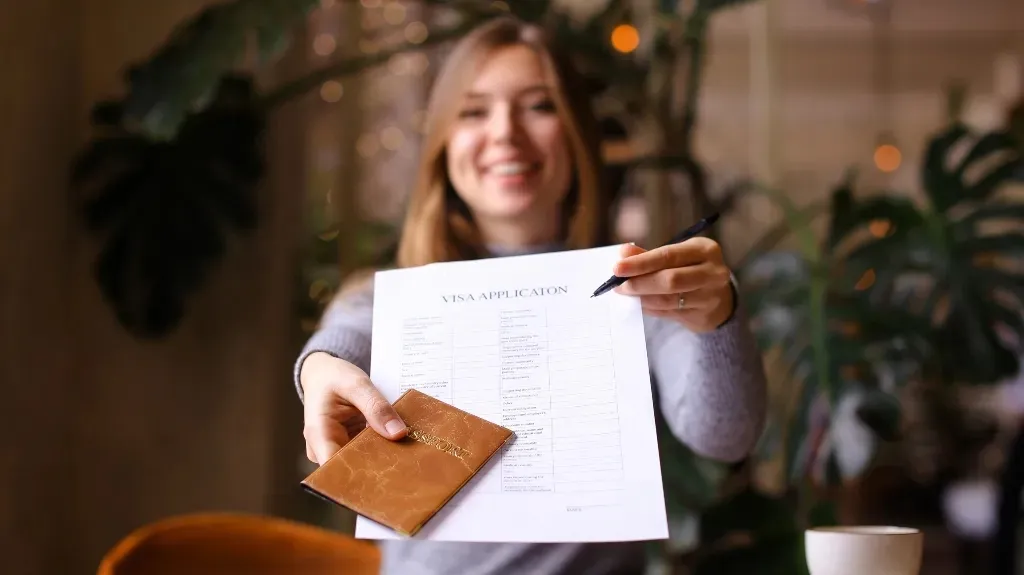
Is My K-1 Visa “On Hold”? 221(g) Refusals, Administrative Processing, and What You Can Do Now
Seeing “Refused” after a K-1 visa interview can feel like the end of your plans together. A New York immigration lawyer can help you understand the notice and determine whether the consulate needs something from you.
Couples often describe this situation as being “on hold,” but the legal status deserves closer attention. What you do next depends on the reason for the refusal and the instructions you received.
Does a 221(g) refusal mean my case is over?
Section 221(g) of the Immigration and Nationality Act requires a consular officer to refuse a visa if the alien has not demonstrated eligibility. The officer may require missing documents or additional administrative processing before determining whether the visa can be issued.
This is a formal rejection, although it can be reopened. However, the officer may revisit the application if he or she receives additional information or if administrative processing is completed. Approval isn’t automatic once you submit documents.
The Consular Electronic Application Center, known as CEAC, may show “Refused” while administrative processing continues. Read that status together with your refusal notice and the consulate’s instructions.
What should I do if the consulate requests documents?
Read the notice carefully and respond through the channel the consulate specifies. It may ask for new evidence of your finances or additional evidence of your relationship. Respond in full, and keep copies of everything you send. Before sending the answer, check to see whether they want translations or originals. Keep proof of delivery or upload confirmation so you can show when you complied.
State Department guidance gives applicants one year from the date of refusal to provide requested additional information. If you don’t provide it within that period, you’ll have to reapply for the visa and pay another application fee. Respond promptly rather than treating the year as a reason to wait.
Relocate Legal’s discussion of common reasons K-1 visa applications get denied explains concerns that can arise during review. Your own notice should guide the response because another couple’s experience may involve different issues.
What if my case needs administrative processing?
Administrative processing may involve additional checks or review of eligibility-related information. Sometimes the consulate needs documents from you; other times it needs to get information from government sources.
A New York immigration lawyer can take a look at the notice and see if a response is needed. Please update your contact information and follow the communication channels indicated by the consulate. Don’t assume that silence means approval or that the refusal can never be overcome.
How long should I wait before following up?
Processing time depends on the circumstances, and there isn’t a guaranteed completion date. Published interview wait times don’t include the time needed for administrative processing.
The State Department generally asks applicants to wait at least 180 days before making status inquiries, except for emergency travel. That period runs from the interview or submission of supplemental documents, whichever is later. Check your consulate’s instructions too. This guidance concerns status inquiries, so requested documents should still be submitted promptly. Use the proper inquiry channel and quote your case number. Providing a clear timeline of your submissions can help the consulate understand what you are asking.
If the emergency travel involves serious illness or death of an immediate family member, explain the situation to the consulate, including supporting records. An emergency request does not imply expedited processing or issuance of the visa.
Will the delay make my petition expire?
An approved I-129F fiancé petition is normally valid for four months from USCIS approval. A consular officer can extend its validity if it expires before visa processing is completed.
Ask whether revalidation is needed rather than assuming you must immediately file a new petition. The separate requirement to marry within 90 days begins after your fiancé enters the United States using the K-1 visa.
How can Relocate Legal help with a delayed K-1 case?
A plain review can help you understand what remains unresolved and write an answer accordingly. Relocate Legal can go over your refusal notice with you and discuss possible follow-up options.
Before filing an uncertain response or starting a new application, talk to a New York immigration lawyer. Call Relocate Legal on (212) 332-3212 or reach out online to talk about your next steps.